When did resilience become code for mild inconvenience?
“There are moments that break you before you even realise you’re broken.”
Azalea Tailor
Resilience. A word we use so loosely now it’s in danger of becoming one of those overhandled modern words that gets dragged out for every inconvenience until it means almost nothing. A delayed train, a difficult week, a flat phone battery, five minutes without a screen, and suddenly everyone is being praised for their resilience, as though enduring mild irritation is the same thing as being forged by life. It isn’t.
Discomfort is not resilience. Frustration is not resilience. Being briefly deprived of ease is not resilience. Sometimes it’s just annoying, and not every annoyance deserves the language of survival.
That thought had been swimming around in my head for some time. Then I met Sam Jalloh, and it sharpened in a way I didn’t expect. It’s rare I meet someone who really stays with me. Usually, I can admire a story, get on with my day, and not think about it again. Meeting Sam was different. He stayed with me, not because he was performing pain for applause, but because listening to him made our flimsy modern use of the word resilience feel embarrassingly small. If you’ve never heard his name, you should.
Because Sam’s story is not the sort you hear and then carry on using words carelessly afterwards. Born in Sierra Leone, he found himself homeless at age six, growing up in profound poverty during a brutal civil war. He picked up a tennis racket at age nine. Instead of encouragement, his father threatened to chop off his fingers because tennis was seen as a privileged white man’s sport, not something a boy like Sam was meant to touch. He lived on one meal a day. He saw violence most people will never come close to understanding. When he turned fourteen, he was arrested by soldiers and escaped only because one of them recognised him through tennis. On stage, he also spoke about his sister being killed by her husband in a culture where men ruled, and about a close friend being shot metres from where he stood. Later, the same sport that once looked impossible became the thing that helped save his life.
That is resilience in its rawest form. Not the polished version. Not the sort people perform online because they survived a mildly chaotic week and came back with a pretty caption about growth. What it made me realise is that real resilience always seems to be born in the same place, the moment life stops asking permission before it changes shape. There are days that begin like any other and end with the architecture of your world rearranged beyond recognition. I know that because I’ve lived it.
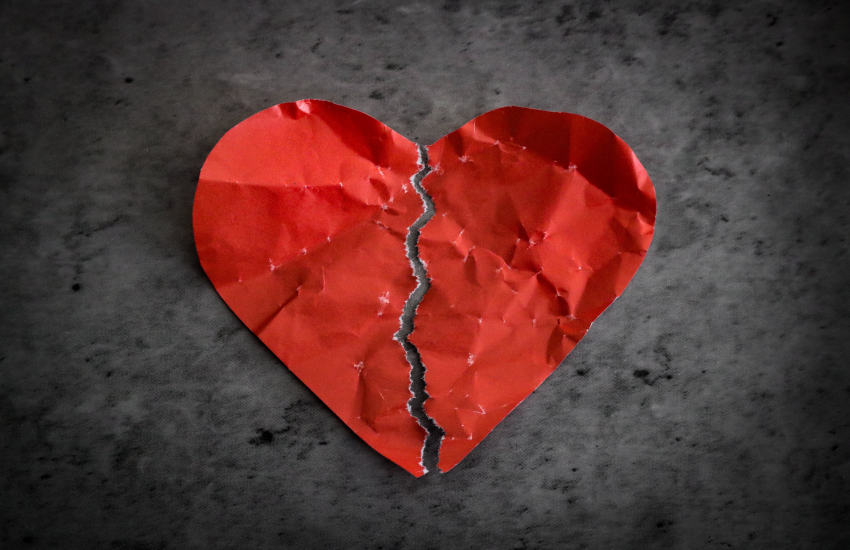
I was sixteen when a reporter turned up at my family home and shoved a newspaper in my face. That’s how I found out my father had been arrested. Not through a careful conversation. Not through protection. Not through love. Through a headline. Through a stranger. Through shock arriving in public and expecting me to stay upright. The trial dragged on for months and the news of his sentence reached me, not in some private room where grief could unfold with dignity, but in the middle of the street. That was one of the first times I understood what resilience actually was, and it was nothing like the glossy nonsense people now attach to the word.
It was crying upstairs behind a closed door and then walking back downstairs as though my world had not just split in two.
It was going to school the next day with the brightest smile and the heaviest heart.
It was learning, far too young, how to carry pain without handing it to the room.
It was discovering that survival does not always look heroic. Sometimes it looks like silence. Sometimes it looks like routine. And sometimes it looks like getting out of bed and pretending your life has not become the thing other people whisper about.
That’s what irritates me about how cheaply we use the word now. We have flattened resilience into inconvenience. We have confused being uncomfortable with being forged. We have started congratulating people for surviving the sort of things that would once simply have been called part of being alive, and in doing so we have made the word almost useless.
Resilience has weight to it. It’s built in the aftermath of things that should have flattened you. It’s what gets formed when your options narrow, your world changes shape, and there is still no pause button offered to you. It’s what grows when you are scared, grieving, displaced, ashamed, traumatised or exhausted and still have to function. It’s what remains after the noise, when there is no applause, no quote graphic, no audience calling you inspiring. Just you, your life, and the reality that you still have to find a way through it.
What stayed with me most about Sam was not only that he survived, but what he chose to do with the survival. That is where resilience becomes something more than endurance. The most resilient people are not simply the ones who are born out of pain, though many of them are. They are the ones who take that pain and refuse to let it be the final author of their lives. They use it to create something better, not only for themselves, but for other people too. They take what could have made them bitter, closed, cruel or permanently defeated, and instead turn it into perspective, service, leadership, hope and community.
They do not just survive. They build.
They do not just endure. They create.
They do not just stay alive. They find a way to thrive, and then they leave something behind that helps someone else do the same.
That’s what gives resilience its real backbone. Not suffering for suffering’s sake. Not misery dressed up as meaning. But the alchemy of it. The refusal to let pain be wasted. The refusal to let what broke you become the only thing that defines you. There was something deeply moving about listening to Sam speak, not because he was performing his pain for applause, but because he spoke with perspective. He talked about community, about neighbours bringing food when there was none, about understanding what can be controlled and what cannot, about how precious life is when you really know what it means to lose safety.
There was no self-pity in it. No inspirational theatre. Just clarity. And perhaps that’s another thing we get wrong when we talk about resilience. We speak about it as though it’s always individual, some private act of grit performed alone, when so often it’s communal. It’s neighbours. It’s family. It’s the friend who sits beside you. It’s the aunt who cries with you when words fail. It’s the people who help hold your life together while you are still learning how to stand inside it.
We are raising people in a culture that has become so allergic to discomfort that every rupture to ease is treated like a crisis. We remove friction, over-explain hardship, pathologise ordinary frustration, and then act surprised when people seem less able to cope with the weightier things life eventually throws their way. And before you all start screaming at the screen, I am not saying everyone needs a war story to earn the word resilience. That would be ridiculous. Pain is pain. Struggle is struggle. Life can bring people to their knees in all sorts of ways, and none of us get to decide what hurts another person. But there’s still a difference between being tested and being inconvenienced, and I think, if we’re honest, we all know that.
So perhaps the better question is not whether people are resilient, but whether we have made the word too small. Too easy. Too marketable. Too available for every tiny interruption to comfort. Because if resilience now means surviving a flat battery, a difficult Monday, or ten minutes without entertainment, what word do we have left for the people who survive the kinds of things that redraw them entirely, and still somehow use their lives to leave something better behind?
When did resilience become code for mild inconvenience? And who, exactly, benefits from pretending the two are the same? 💋